🎉 Up to 70% Off Selected ItemsShop Sale

Cane Creek Days
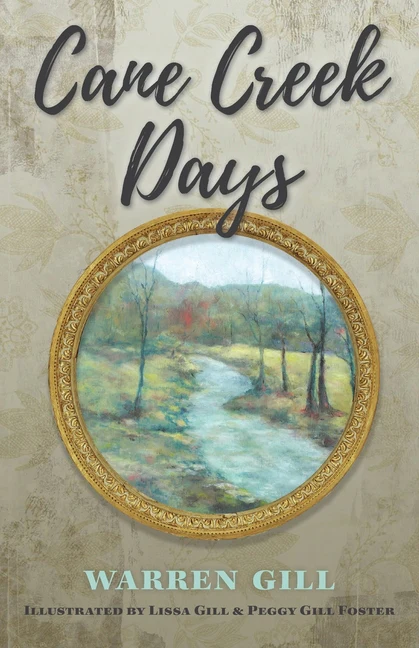
Cane Creek Days is the memoir of a boy growing up on a story-book farm near Petersburg, Tennessee, the kind of farming life that no longer exists. The story takes place among the fields and small towns and bridges and dusty roads through which winds the beautiful, life-sustaining stream called the Little Cane Creek.
Times were tough for the author, his family, and his friends in this rural Middle Tennessee area, not far from Alabama. Hunting and fishing were more than sport - they provided an important part of living a rich life. Livestock and crops provided cash, but also put food on the table. Their knowledge of the soil, plants, and animals of the region helped these hard-working and intelligent folks stay alive and even thrive in an age of less extravagance and indulgence.
Many of these old ways required to survive were common and necessary are in danger of being forgotten. So author Warren Gill shares about growing up in the 1950s and how rural life sustained his community. Gill hopes to preserve for modern readers the lessons he and his community learned and how they survived without the technological tools that modern farms use today.
Many North Americans are showing an interest in returning to our agricultural roots, either as working farmers or as hobby farmers who want to keep alive the knowledge of traditional agriculture. Many of these people remember that their parents and grandparents lived hard, fulfilling lives, and they want to recapture and preserve that tradition. This memoir captures that experience from someone who's lived it.
Times were tough for the author, his family, and his friends in this rural Middle Tennessee area, not far from Alabama. Hunting and fishing were more than sport - they provided an important part of living a rich life. Livestock and crops provided cash, but also put food on the table. Their knowledge of the soil, plants, and animals of the region helped these hard-working and intelligent folks stay alive and even thrive in an age of less extravagance and indulgence.
Many of these old ways required to survive were common and necessary are in danger of being forgotten. So author Warren Gill shares about growing up in the 1950s and how rural life sustained his community. Gill hopes to preserve for modern readers the lessons he and his community learned and how they survived without the technological tools that modern farms use today.
Many North Americans are showing an interest in returning to our agricultural roots, either as working farmers or as hobby farmers who want to keep alive the knowledge of traditional agriculture. Many of these people remember that their parents and grandparents lived hard, fulfilling lives, and they want to recapture and preserve that tradition. This memoir captures that experience from someone who's lived it.
$19.49
Cane Creek Days—
$19.49
Cane Creek Days
Cane Creek Days is the memoir of a boy growing up on a story-book farm near Petersburg, Tennessee, the kind of farming life that no longer exists. The story takes place among the fields and small towns and bridges and dusty roads through which winds the beautiful, life-sustaining stream called the Little Cane Creek.
Times were tough for the author, his family, and his friends in this rural Middle Tennessee area, not far from Alabama. Hunting and fishing were more than sport - they provided an important part of living a rich life. Livestock and crops provided cash, but also put food on the table. Their knowledge of the soil, plants, and animals of the region helped these hard-working and intelligent folks stay alive and even thrive in an age of less extravagance and indulgence.
Many of these old ways required to survive were common and necessary are in danger of being forgotten. So author Warren Gill shares about growing up in the 1950s and how rural life sustained his community. Gill hopes to preserve for modern readers the lessons he and his community learned and how they survived without the technological tools that modern farms use today.
Many North Americans are showing an interest in returning to our agricultural roots, either as working farmers or as hobby farmers who want to keep alive the knowledge of traditional agriculture. Many of these people remember that their parents and grandparents lived hard, fulfilling lives, and they want to recapture and preserve that tradition. This memoir captures that experience from someone who's lived it.
Times were tough for the author, his family, and his friends in this rural Middle Tennessee area, not far from Alabama. Hunting and fishing were more than sport - they provided an important part of living a rich life. Livestock and crops provided cash, but also put food on the table. Their knowledge of the soil, plants, and animals of the region helped these hard-working and intelligent folks stay alive and even thrive in an age of less extravagance and indulgence.
Many of these old ways required to survive were common and necessary are in danger of being forgotten. So author Warren Gill shares about growing up in the 1950s and how rural life sustained his community. Gill hopes to preserve for modern readers the lessons he and his community learned and how they survived without the technological tools that modern farms use today.
Many North Americans are showing an interest in returning to our agricultural roots, either as working farmers or as hobby farmers who want to keep alive the knowledge of traditional agriculture. Many of these people remember that their parents and grandparents lived hard, fulfilling lives, and they want to recapture and preserve that tradition. This memoir captures that experience from someone who's lived it.
Product Information
Product Information
Shipping & Returns
Shipping & Returns
Description
Cane Creek Days is the memoir of a boy growing up on a story-book farm near Petersburg, Tennessee, the kind of farming life that no longer exists. The story takes place among the fields and small towns and bridges and dusty roads through which winds the beautiful, life-sustaining stream called the Little Cane Creek.
Times were tough for the author, his family, and his friends in this rural Middle Tennessee area, not far from Alabama. Hunting and fishing were more than sport - they provided an important part of living a rich life. Livestock and crops provided cash, but also put food on the table. Their knowledge of the soil, plants, and animals of the region helped these hard-working and intelligent folks stay alive and even thrive in an age of less extravagance and indulgence.
Many of these old ways required to survive were common and necessary are in danger of being forgotten. So author Warren Gill shares about growing up in the 1950s and how rural life sustained his community. Gill hopes to preserve for modern readers the lessons he and his community learned and how they survived without the technological tools that modern farms use today.
Many North Americans are showing an interest in returning to our agricultural roots, either as working farmers or as hobby farmers who want to keep alive the knowledge of traditional agriculture. Many of these people remember that their parents and grandparents lived hard, fulfilling lives, and they want to recapture and preserve that tradition. This memoir captures that experience from someone who's lived it.
Times were tough for the author, his family, and his friends in this rural Middle Tennessee area, not far from Alabama. Hunting and fishing were more than sport - they provided an important part of living a rich life. Livestock and crops provided cash, but also put food on the table. Their knowledge of the soil, plants, and animals of the region helped these hard-working and intelligent folks stay alive and even thrive in an age of less extravagance and indulgence.
Many of these old ways required to survive were common and necessary are in danger of being forgotten. So author Warren Gill shares about growing up in the 1950s and how rural life sustained his community. Gill hopes to preserve for modern readers the lessons he and his community learned and how they survived without the technological tools that modern farms use today.
Many North Americans are showing an interest in returning to our agricultural roots, either as working farmers or as hobby farmers who want to keep alive the knowledge of traditional agriculture. Many of these people remember that their parents and grandparents lived hard, fulfilling lives, and they want to recapture and preserve that tradition. This memoir captures that experience from someone who's lived it.